


Have you ever left the doctors office or a hospital with more questions than when you entered?
Did you ever wish you had a kid or relative who was a doctor?
Did you ever feel like your healthcare provider is not explaining everything?

West Coast Medical Advocates is here to help monitor and optimize your medical care for the best outcome.
Through my years of being a physician, family and friends have always called me for medical advice. They were quite comforted knowing they had a friend or relative who was a doctor. With the changes in the healthcare system there is no longer continuity of care. There seems to be more frustration with patients communicating with their doctors, thus many questions are left unanswered.
At West Coast Medical Advocates we are very empathetic to these issues. I have had personal experiences with my mother and father in hospital settings where care was not optimal and communication was lacking.
I truly believe that if I hadn’t been there as a physician their outcomes may have been different. These two experiences inspired and motivated me to create West Coast Medical Advocates.
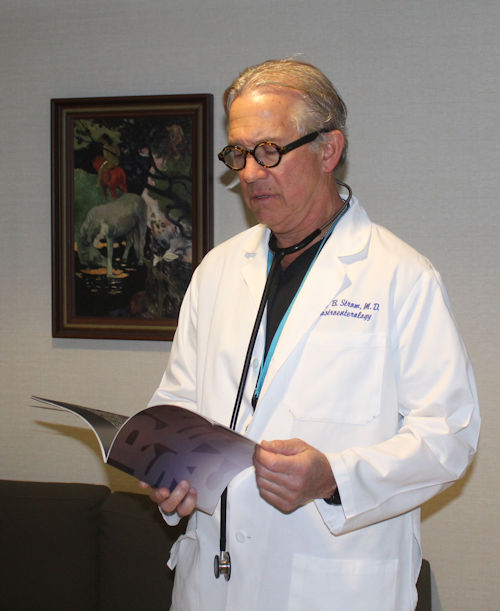
Patients under our advocacy generally have less anxiety, more compliance and often have better outcomes.
Improved Patient Outcomes
Studies have shown that patient advocates can significantly improve health outcomes by facilitating communication between patients and healthcare providers, ensuring that patients understand their treatment options.
Empowerment and Education
Patient advocacy empowers individuals by providing them with the necessary information to make informed decisions about their healthcare. This empowerment can lead to better engagement and adherence to treatment plans.
Ethical Responsibility
Healthcare professionals have an ethical obligation to advocate for their patients. The American Nurses Association and the American Medical Association emphasize the importance of advocating for patients’ best interests.
Access to Care
Advocates play a vital role in helping patients navigate complex healthcare systems ensuring they access the care they need without unnecessary barriers.
Quality of Care
Research indicates that patient advocacy is linked to higher quality of care. When patients feel supported, they are more likely to express their concerns and preferences, leading to tailored and effective treatment plans.
Support for Vulnerable Populations
Patient advocates often focus on underserved and marginalized groups, ensuring they receive equitable care and addressing social determinants of health.
Personal Accounts
Testimonials from patients validate the effectiveness of advocacy on personal satisfaction and well-being.
Legislation and Policy Change
Advocacy efforts have led to significant healthcare reforms, including the establishment of patient rights legislation and policies aimed at improving healthcare access and quality.
Further Reading
For more detailed studies, articles, and guidelines, consider looking into journals such as the Journal of Patient Experience, resources from organizations like the Patient Advocate Foundation, and literature on patient-centered care models.
See what our patients are saying
EXCELLENTBased on 89 reviews Verified
 Tracy A.December 9, 2024One of the best Gastro Drs in WLA. He's kind and thoughtful and makes you feel as if your part of his extended family given his compassion and thoroughness. I would highly recommend Dr. Strom if you're looking for a care provider that actually give a $&@? about the well being of his patients.VerifiedAlan S.November 3, 2024Dr STROM is caring, considerate, a good listener, thorough and has a great bedside manner. What is most notable is that he is not an alarmist. He instilled confidence in his ability to resolve my particular issue and concerns. I would have no problem recommending him or his responsive detail oriented staff and office. Thanks to all, A. StewartVerified
 Rich I.October 31, 2024Dr.strom is very through and very competent. He doesn't rush and listens to your problems'Verified
 Brian R.October 30, 2024Dr. Strom performed my first colonoscopy a decade ago, and it was a very good experience. I am now scheduling a second colonoscopy with him. I saw Dr. Strom today to review my health profile before scheduling the procedure. He asked lots of very relevant questions about all of my recent past health history, including family members' histories. He then very carefully and knowledgeably explained my options, and the pros and cons of each option. He took lots of time with me, and was very friendly and authentic. I highly recommend him for any gastroenterological needs.Verified
 Sue P.October 30, 2024In the field of medicine, first impressions can be pivotal. The initial encounter between a patient and their doctor often sets the stage for the entire therapeutic relationship. An engaging first impression can instill confidence, create a sense of safety, and lay the groundwork for effective communication. As unwavering pillars of health, doctors carry not just the mantle of medical knowledge and technical skill, but also the responsibility of making their patients feel valued and understood from the very first interaction. This Doctor is Carey B. Strom. A fabulous diagnostician that will review your file before he sees you and go over your entire history from memory. If you are EVER in need of a gastroenterologist please do yourself a favor. Add him to the top of your list and save time looking.VerifiedJulie W.October 28, 2024Dr. Strom is a top notch Doctor. I love the newsletter! It is very informative and appreciatedVerified
 Jill A.October 28, 2024Dr Strom has been my gastro for 25 years. I highly recommend his clinical diagnostic skills and expertise as well as his friendly and comfortable approach. I wouldn't go to anyone else!VerifiedChris D.October 7, 2024Thank you Dr. Strom for being there for your patients and keeping us informed on all the different aspects of aging.Verified
 Craig E.October 2, 2024Every once in a while, you are lucky enough to find a Doctor who is not only an amazing physician, but someone who is equally a great person as well. I could not recommend more highly Dr. Strom. unlike many doctors who you see and never hear from again, he always follows up to make sure I am OK.Verified
 Ann P.August 21, 2024Dr. Strom wrote the most informative article in his newsletter about the class of drugs like Prilosec that states that there is no research that indicates that it has harmful side effects. What a relief! There is so much misinformation out there and it is so refreshing to have the accurate information. Dr. Strom's Newsletter is such a gift. Everyone should read it. Kudos to you Dr. Strom and thank you.